
When Anxiety Shows Up in Your Body
Have you ever felt your heart racing even when nothing around you seems stressful?
Or noticed tight shoulders, stomach discomfort, or a constant sense of tension that never quite goes away?
Many people think anxiety only happens in the mind. But in reality, anxiety often shows up first in the body.
At Eastern Shore Counseling in Portland, Maine, I often work with clients who come in because of physical symptoms they can’t quite explain—tight muscles, digestive issues, headaches, or feeling constantly on edge.
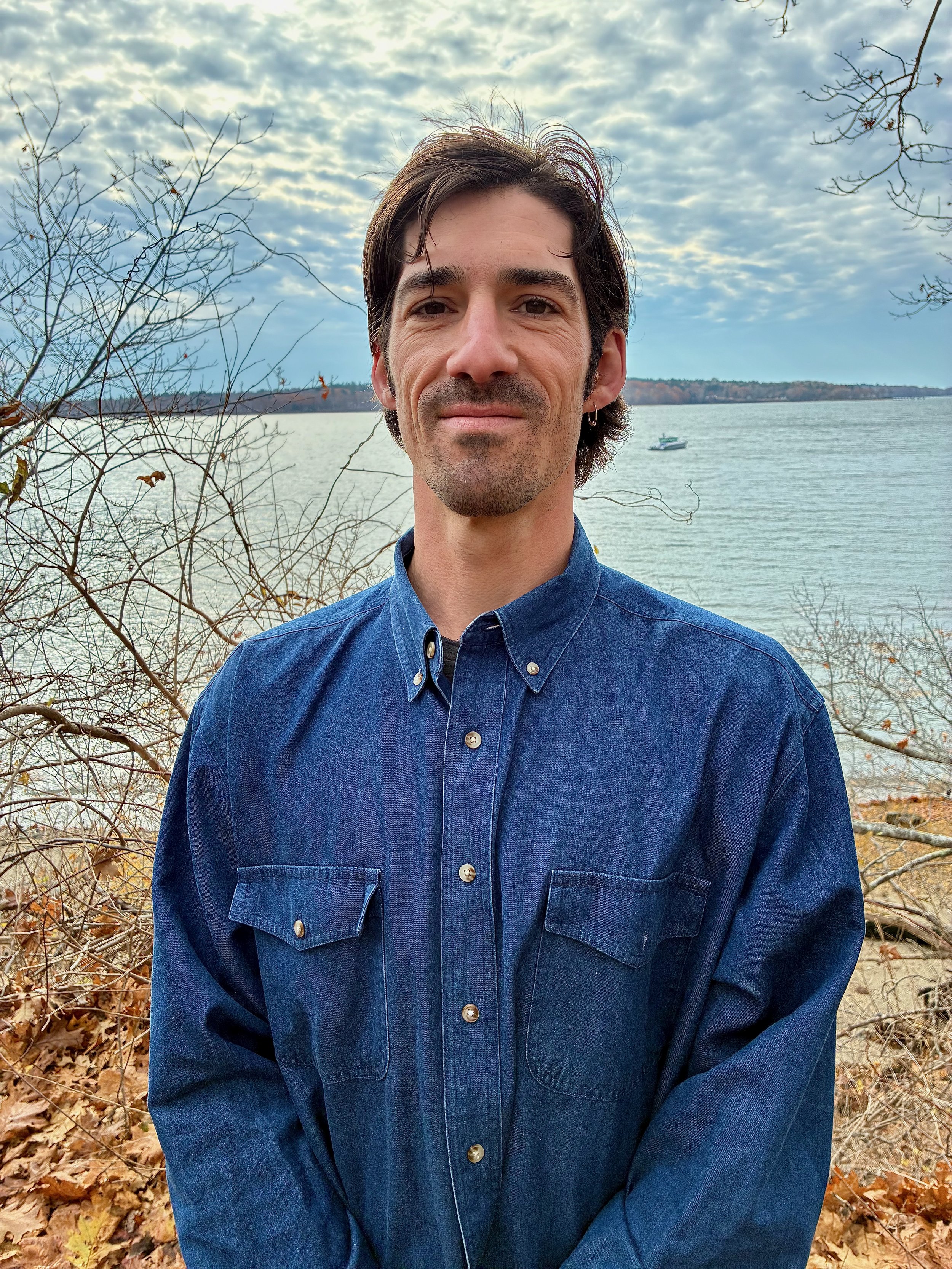
My name is Josh Masterson, and I specialize in helping people understand how anxiety lives in the body and how to begin releasing it.
If you’re searching for anxiety physical symptoms therapy in Portland, Maine, it’s often because your body is trying to tell you something important.
Learning to listen to those signals is the first step toward feeling more grounded and at ease.
Understanding the Mind-Body Connection
Your mind and body are deeply connected.
When your brain senses stress or danger, your nervous system activates what’s called the fight-or-flight response. This response releases stress hormones like adrenaline and cortisol, preparing your body to react quickly.
In short bursts, this response is helpful.
But when anxiety becomes chronic, your body can remain in a constant state of alertness, even when there isn’t a real threat.
Over time, this can lead to ongoing physical symptoms that feel confusing or frustrating.
Common Physical Symptoms of Anxiety
Anxiety can affect many different systems in the body. Some of the most common symptoms people experience include:
Muscle Tension
Many people with anxiety carry tightness in their:
shoulders
neck
jaw
back
Your body may stay braced for danger, even when you're trying to relax.
Chest Tightness or Changes in Breathing
Anxiety can cause:
a racing heartbeat
shallow breathing
chest discomfort
These sensations can feel alarming, but they are often your nervous system reacting to stress.
Digestive Issues
Your gut and nervous system are closely connected.
Anxiety can contribute to:
stomach pain
nausea
digestive discomfort
changes in appetite
When stress levels rise, your digestive system often feels it too.
Headaches, Fatigue, and Restlessness
Living in a constant state of tension can leave you feeling:
mentally drained
physically exhausted
unable to fully relax
Many people describe feeling “on edge” even when nothing is wrong.
When the Nervous System Gets Stuck in Stress Mode
Your nervous system is designed to move between states of activation and calm.
But when anxiety becomes chronic, the stress response can stay switched on for long periods of time.
This means your body may continue reacting as though something is wrong—even when you are safe.
That’s why anxiety symptoms often persist even when you try to think your way out of them.
True relief often comes from working with the body directly, not just the thoughts.
Why Your Body Holds Onto Anxiety
From a somatic perspective, the body stores experiences—especially stressful or overwhelming ones.
When the nervous system doesn’t fully process stress, tension can remain in the body.
Over time, this can show up as:
chronic muscle tightness
digestive discomfort
sleep problems
persistent physical anxiety symptoms
Your body isn’t working against you. It’s trying to protect you.
Learning how to release that stored tension is a key part of healing.
Anxiety Physical Symptoms Therapy in Portland, Maine
Somatic therapy focuses on the connection between body sensations and emotional experience.
Instead of only talking about anxiety, we also explore how it lives in your body.
In therapy, we often work on:
increasing awareness of physical sensations
regulating the nervous system
releasing tension stored in the body
building a greater sense of safety internally
This approach can help your body gradually move out of chronic stress and back toward balance.
Reconnecting With Your Body
Many people coping with anxiety have learned to ignore or override their body’s signals.
Somatic work helps rebuild that connection.
Some techniques we may explore include:
grounding exercises
breath awareness
mindfulness of physical sensations
gentle movement and body awareness practices
These tools help calm the nervous system and create more space between stress and reaction.
Working With Josh Masterson at Eastern Shore Counseling
“The change process feels good. It feels like inhaling fresh air after having been in a stuffy room for a long time.”
-Eugene Gendlin
At Eastern Shore Counseling, I work with individuals navigating anxiety, life transitions, and stress that shows up both emotionally and physically.
My approach is warm, curious, and compassionate. Together we explore your internal world and build tools that support real change.
In addition to somatic therapy, I often integrate:
cognitive approaches
mindfulness practices
nature-based and eco-therapy perspectives
The goal is to help you reconnect with yourself in a way that feels grounded, supportive, and sustainable.
Taking the First Step Toward Feeling Better
If anxiety has been showing up in your body—through tension, fatigue, or physical discomfort—you’re not alone.
These symptoms are incredibly common, and they are often your body’s way of asking for support.
With the right guidance, it’s possible to calm your nervous system and feel more at home in your body again.
If you're looking for anxiety physical symptoms therapy in Portland, Maine, Eastern Shore Counseling is here to help.
You can schedule a free consultation to learn more about how therapy might support you.
You deserve to live in a body that feels safe, calm, and at ease.