
Mom Rage Is Real: How Therapy Helps Overwhelmed Mothers in Portland, Maine
Many mothers are shocked by the intensity of their anger after having children.
You might find yourself snapping over small things, feeling constantly overstimulated, or wondering why your reactions feel bigger than the moment. One minute you’re trying to stay patient, and the next you feel like you might explode.
If this sounds familiar, you are not alone.
At Eastern Shore Counseling in Portland, Maine, therapist Lauren MacKellar, LMHC, LCPC works with many mothers who feel overwhelmed by intense emotions like anger, anxiety, and emotional exhaustion. What many women call “mom rage” is often a signal that your nervous system is overloaded—not a sign that you're failing as a parent.
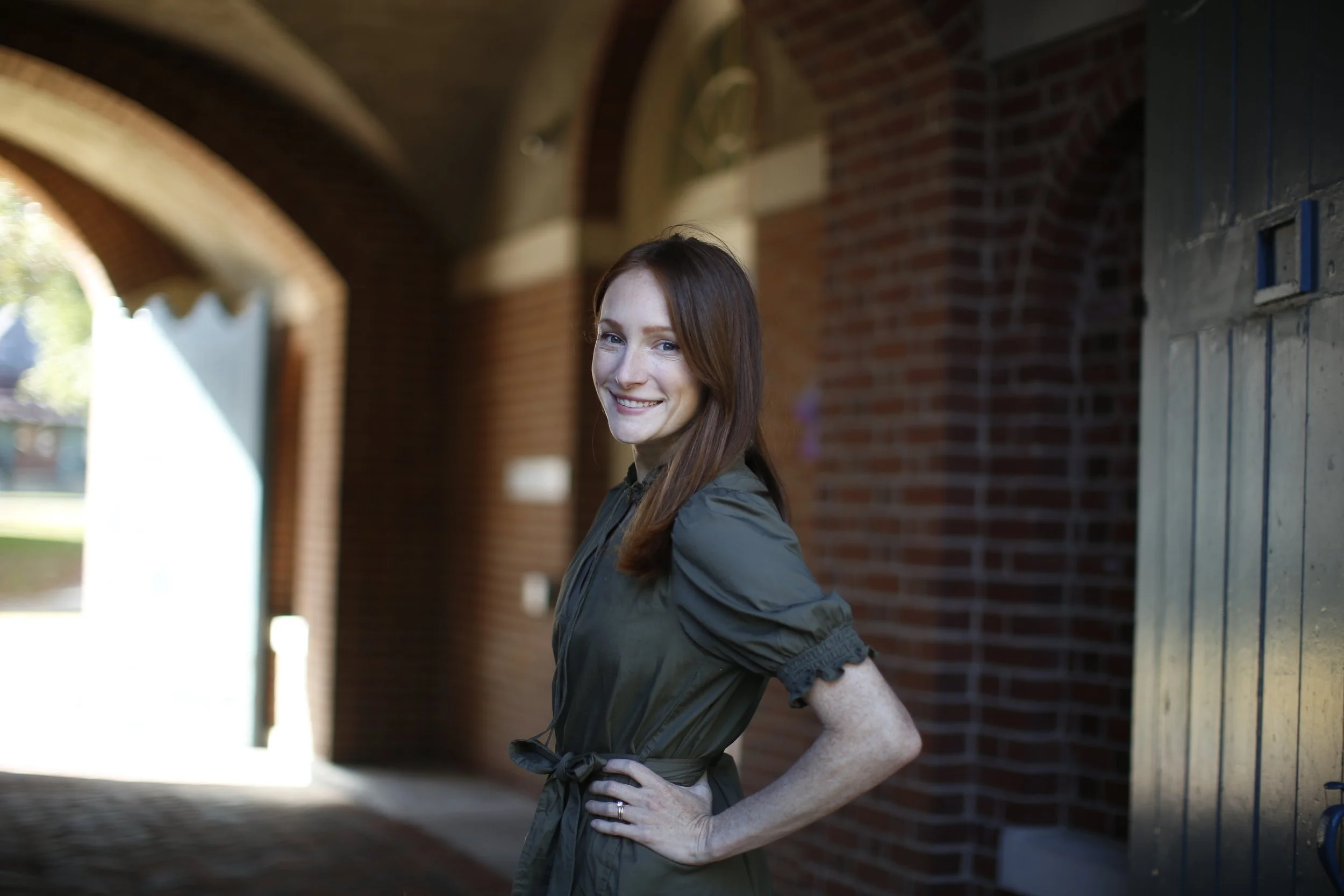
“To love ourselves and support each other in the process of becoming real is perhaps the greatest single act of daring greatly.”
-Brene Brown
Motherhood can be deeply meaningful, but it is also one of the most demanding roles a person can take on. Between sleep deprivation, constant responsibility, and the invisible mental load of parenting, many mothers find themselves running on empty.
Therapy can help you understand what is happening beneath the surface of that anger and give you tools to respond with more calm, clarity, and self-compassion.
What Is Mom Rage?
“Mom rage” refers to sudden bursts of intense anger that many mothers experience during periods of overwhelm.
Unlike everyday frustration, mom rage can feel physical. Your heart might race, your body feels tense, and your reactions may feel bigger than the situation in front of you.
Common experiences include:
snapping at your partner or children
feeling overstimulated by noise or constant demands
going from calm to explosive very quickly
feeling guilt or shame after reacting in anger
feeling like you’re always on edge
These reactions are often connected to chronic stress, lack of support, and nervous system overload.
For many mothers, the anger itself is not the core issue. Instead, it is a signal that their emotional capacity has been stretched far beyond what is sustainable.
Why Mom Rage Happens
Many mothers blame themselves for feeling angry. In reality, several very real factors contribute to these intense emotional reactions.
The Invisible Mental Load
One of the biggest contributors to maternal overwhelm is something many people never see: the mental load.
The mental load includes:
remembering appointments and school schedules
planning meals and managing groceries
anticipating everyone’s needs
organizing the household
managing emotional dynamics in the family
Even when tasks are shared, the planning and emotional responsibility often falls on mothers. Over time, this constant cognitive work can create deep exhaustion.
When your brain is always “on,” even small disruptions can feel overwhelming.
Chronic Sleep Deprivation
Sleep plays a critical role in emotional regulation.
When you are consistently sleep deprived, your brain has a harder time:
regulating stress hormones
managing emotional reactions
staying patient during conflict
This is why small parenting challenges—like spilled juice or bedtime resistance—can trigger outsized reactions.
Your system is simply running on empty.
Loss of Personal Identity
Many mothers quietly grieve the parts of themselves that feel lost after having children.
Before becoming a parent, you may have had more space for:
personal interests
career focus
friendships
rest and solitude
After children, your needs can quickly become secondary to everyone else’s. Over time, this can create resentment, sadness, and anger.
Therapy often helps mothers reconnect with their identity and rediscover parts of themselves that still matter.
When Mom Rage Is Really Nervous System Overload
Mom rage is often a nervous system response, not simply a personality trait.
When your body experiences chronic stress, your nervous system can become stuck in fight-or-flight mode.
This means your body is constantly scanning for threats or demands.
For mothers, those “threats” might include:
constant noise
multiple children needing attention
household chaos
lack of personal space
emotional pressure to stay calm
When your nervous system is overwhelmed for too long, your tolerance for stimulation drops dramatically. Even small moments can feel like too much.
Therapy often focuses on helping regulate the nervous system so mothers can respond more calmly rather than react impulsively.
How Therapy Helps with Mom Rage
At Eastern Shore Counseling in Portland, Maine, Lauren MacKellar helps mothers explore the deeper causes of their anger in a compassionate, non-judgmental space.
Many women come into therapy believing something is wrong with them. In reality, therapy often reveals that their reactions are understandable responses to overwhelming circumstances.
Therapy for overwhelmed mothers often focuses on:
Understanding Emotional Triggers
Identifying the situations, stressors, and patterns that lead to emotional overload.
Building Emotional Regulation Skills
Learning ways to calm the nervous system during moments of overwhelm.
Reducing Shame and Self-Criticism
Many mothers carry deep guilt about their anger. Therapy helps replace that shame with understanding and self-compassion.
Rebuilding Personal Identity
Therapy can help mothers reconnect with themselves—not just their role as a parent.
Creating Healthier Boundaries
Learning how to ask for help, communicate needs, and protect personal energy.
Over time, these skills help mothers respond to stress with more clarity rather than reacting from exhaustion.
Lauren MacKellar’s Approach to Supporting Overwhelmed Mothers
Lauren MacKellar works with many women navigating anxiety, shame, and major life transitions, including motherhood.
Her approach focuses on helping clients:
understand their emotional patterns
reconnect with their internal sense of stability
build confidence in their ability to navigate stress
develop healthier relationships with themselves and others
Lauren brings a deeply compassionate perspective to therapy. She understands that motherhood is complex and that feeling overwhelmed does not make someone a bad parent.
It often means they have been carrying too much for too long.
You Don’t Have to Carry This Alone
If you recognize yourself in these experiences, support can make a meaningful difference.
Mom rage is often a signal that your nervous system needs care, rest, and understanding—not judgment.
At Eastern Shore Counseling in Portland, Maine, therapy provides a safe space to explore these experiences and develop tools for navigating motherhood with greater calm and confidence.
If you're feeling overwhelmed, exhausted, or struggling with intense anger, you are not alone.
You deserve support too.
Schedule a free consultation with Eastern Shore Counseling to learn how therapy can help you reconnect with yourself and move through motherhood with more stability and self-compassion.