
Fight, Flight, Freeze, or Fawn: Understanding Trauma Responses in Portland, Maine
Did you know your brain can detect potential danger in about 1/20th of a second—faster than you can blink?
At Eastern Shore Counseling in Portland, Maine, we work with people who feel confused by their reactions to stress, conflict, or reminders of the past. You may “know” you’re safe, but your body reacts like you’re not. That disconnect can feel frustrating—or even shame-inducing.
Here’s the truth: your nervous system is designed for survival, not comfort. When your brain perceives threat (real or remembered), it can automatically shift into one of four protective patterns:
Fight
Flight
Freeze
Fawn
These are not character flaws. They’re not “overreactions.” They are biological survival responses that helped you get through something hard.
If you’ve been searching for trauma therapy in Portland, Maine, understanding your nervous system is often a powerful first step toward healing.
Key Takeaways
Your brain prioritizes survival and safety over calm.
Trauma responses activate automatically—often before conscious thought.
Fight/flight/freeze/fawn are protective strategies, not personal failures.
Understanding your pattern can reduce shame and increase self-awareness.
With support, you can move from reactive survival mode to steadier regulation.
Trauma-informed therapy in Portland, Maine can help you feel safer in your body.
When Your Body Reacts Before You Can Think
When the brain senses threat, the amygdala (your alarm system) can activate your stress response in milliseconds. Your nervous system prepares your body to protect you before your thinking brain fully “catches up.”
This is why you might:
snap before you mean to
shut down during conflict
feel panicky or restless for no clear reason
people-please even when you don’t want to
These responses are controlled by the autonomic nervous system, which regulates functions like heart rate, breathing, muscle tension, and digestion.
And if you’ve lived through trauma, chronic stress, or unsafe relationships, your nervous system may have learned to stay on high alert—even in everyday situations.
What Are Trauma Responses, Really?
Trauma responses are automatic patterns your nervous system uses to protect you. They show up when your body perceives danger—whether that danger is happening now or feels similar to a past experience.
The four trauma responses each serve a purpose:
1.Fight: confront the threat - defensiveness, irritability, anger
2.Flight: escape the threat - overworking, avoiding conflict, restlessness
3.Freeze: shut down to survive - numbness, dissociation, “stuckness”
4.Fawn: appease to stay safe - people-pleasing, over-apologizing, losing your needs
Most people have a “default” response, but you can also shift between them depending on the situation.
Fight Response: Moving Toward Threat
Fight isn’t always physical aggression. It often shows up as:
irritation or snapping
controlling behavior (trying to manage everything)
defensiveness
quick frustration in conflict
In your body, fight can feel like tight shoulders, clenched jaw, racing heart, heat in your chest, or adrenaline surges.
Sometimes anger becomes a protective shield—especially for people who learned early on that vulnerability wasn’t safe.
Flight Response: The Urge to Escape
Flight is the nervous system’s way of saying: “Get out.”
In modern life, it often looks like:
staying constantly busy
avoiding difficult conversations
overthinking, planning, problem-solving nonstop
leaving emotionally before leaving physically
In your body, flight can feel like restlessness, stomach tension, racing thoughts, and the need to move.
Avoidance can be protective in the short term—but over time it can shrink your life, relationships, and sense of freedom.
Freeze Response: When Your Body Shuts Down
Freeze is not laziness. It’s not weakness. It’s what the nervous system does when fight or flight doesn’t feel possible.
Freeze can look like:
feeling numb or detached
going blank mid-conversation
“checking out” or dissociating
struggling to make decisions
feeling stuck even when you want change
In your body, freeze can feel heavy, slow, foggy, or disconnected.
Freeze is often a survival strategy that helped you endure situations that felt overwhelming or inescapable.
Fawn Response: Appeasing to Stay Safe
Fawning is an often-missed trauma response. It’s the impulse to stay safe by keeping others happy—especially in relationships where conflict felt dangerous.
Fawn can show up as:
people-pleasing and over-apologizing
difficulty saying no
feeling responsible for others’ emotions
ignoring your own needs to avoid tension
Over time, fawning can lead to resentment, burnout, and a loss of identity—because you’ve learned safety through self-abandonment.
How These Patterns Develop
These responses aren’t random. They often develop in environments where your nervous system learned:
conflict isn’t safe
emotions aren’t welcome
mistakes lead to punishment
you must stay alert to avoid harm
connection depends on performance
What begins as adaptive becomes automatic.
That’s why you might still react strongly even when your life is stable now—because your nervous system learned survival before it learned safety.
How to Recognize Your Trauma Response Pattern
A helpful starting point is noticing what happens in your body first:
Do you tense, surge with energy, and get angry? (fight)
Do you feel a rush to escape, distract, or stay busy? (flight)
Do you go numb, blank, or shut down? (freeze)
Do you immediately smooth things over or over-explain? (fawn)
In trauma therapy, we don’t judge the response—we get curious about what your body learned and why.
Your Trauma Response Isn’t a Character Flaw
One of the most healing shifts is moving from:
“What is wrong with me?”
to
“What happened to me—and what did my nervous system learn?”
These responses were intelligent. They helped you survive something hard. Therapy isn’t about blaming your past reactions—it’s about helping your body learn new options now.
Moving From Reactive to Regulated
Healing doesn’t mean you never get triggered. It means you develop more capacity to notice what’s happening and respond differently.
Some tools that support nervous system regulation include:
Grounding Techniques
name 5 things you see / 4 you feel / 3 you hear
press your feet into the floor
hold something cold (ice or a chilled drink)
Breath + Body Awareness
longer exhale breathing (inhale 4, exhale 6–8)
body scan: “Where do I feel tension right now?”
gentle movement: walking, stretching, shaking out arms
Somatic Practices
Somatic therapy helps you learn the language of your body—tension, activation, shutdown—and build a pathway back to safety.
Trauma Therapy in Portland, Maine at Eastern Shore Counseling
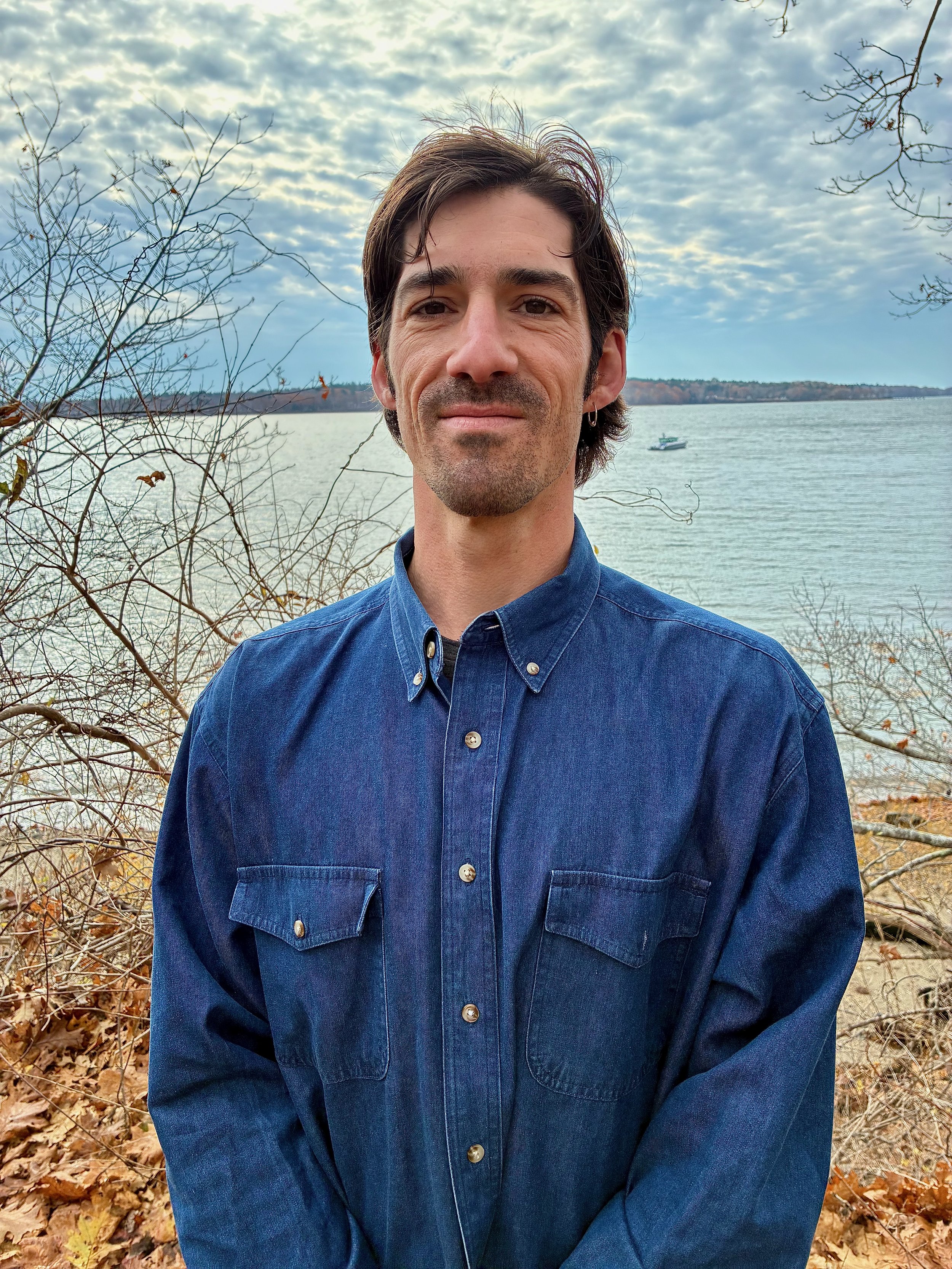
At Eastern Shore Counseling, Josh Masterson, LCSW offers trauma-informed therapy in the Portland area with a focus on somatic work and nervous system-based healing.
Josh’s approach is warm, grounded, and practical—helping clients explore their internal world, understand their patterns, and build real tools for emotional regulation and resilience.
“The change process feels good. It feels like inhaling fresh air after having been in a stuffy room for a long time.”
-Eugene Gendlin
If you’re noticing fight/flight/freeze/fawn patterns affecting your relationships, anxiety, or daily life, you don’t have to figure it out alone.
Ready to Feel Safer in Your Body?
Understanding your trauma response is not about labeling yourself—it’s about building compassion, clarity, and control.
If you’re looking for trauma therapy in Portland, Maine, Eastern Shore Counseling offers support for adults navigating anxiety, trauma responses, and life transitions.
Schedule a free consultationto connect with a therapist and take the next step toward feeling more grounded and secure.